

Every day, our 13 Villages across Washington DC are helping older neighbors remain connected, supported, and independent. From volunteer rides to social gatherings and wellness programs, the Village model demonstrates what community care looks like in action. But the services and programs that sustain our work don’t exist in a vacuum — they are shaped by policy decisions and funding priorities made by elected officials and leaders at the DC Council and agencies like the DC Department of Aging and Community Living (DACL).
That’s where advocacy comes in.
Advocacy is how we ensure that the voices and needs of older adults, volunteers and community members are heard when decisions are being made about the future of aging in our city. It is one of the most powerful tools we have to influence policy, increase resources for senior services, and ensure that programs supporting aging in community continue to grow to support the needs of our residents. And the impact is real.
When Village leaders and members speak up, through testimony, neighborhood meetings, policymakers office hours, or community events, we help decision-makers understand how policies affect real people in the short and long term. A budget line becomes a Village member making it to all of their medical appointments or a delivery of food staples to get through a winter storm. A program investment becomes a weekly social gathering that combats isolation. A funding increase can mean hundreds more residents receiving the support they need to age safely at home.
Advocacy transforms policy into everyday impact.
As we recognize Older Americans Month in May, it’s also an opportunity to reflect on how advocacy can strengthen our collective commitment to ensuring that all older adults in the District can thrive. The theme of aging in community is especially meaningful for the Village network, which demonstrates how neighbors supporting neighbors can build stronger, healthier communities.
But effective advocacy must also center equity.
Not all older adults experience aging in the same way. Longstanding disparities in income, housing, health access, and neighborhood resources mean that some residents face greater barriers to aging safely with needed care and with dignity and joy. Bringing an equity lens to advocacy means ensuring that policies and funding decisions address these disparities and expand opportunities for all older adults, especially those in historically underserved communities.
Villages are uniquely positioned to do this work. Our members and volunteers see firsthand how policies affect daily life. Our stories bring data to life. And our collective voice across the District is powerful.
Advocacy isn’t just something that happens during budget hearings — it is an ongoing commitment ensuring that older adults remain visible, valued, and prioritized in our city’s decisions and investments.
Together, through consistent engagement and a shared voice, we can continue building a Washington, DC where every resident has the opportunity to age with dignity, connection, and support.
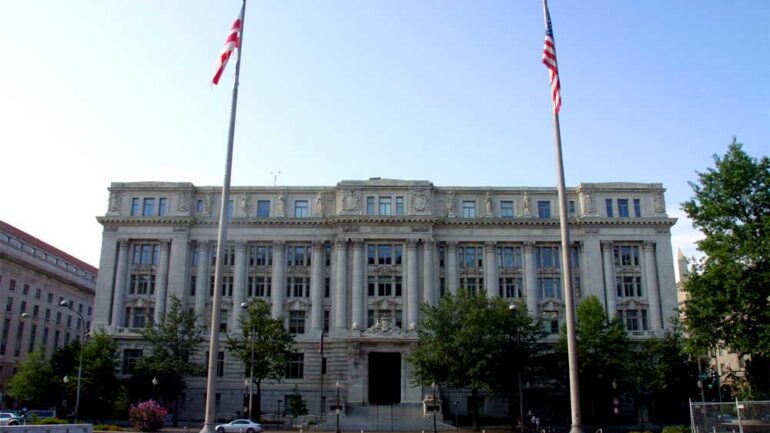
Photo of the John A. Wilson Building by David Gaines. Used under a Creative Commons CC BY-ND 2.0 license.